Thinking about living in Sudden Valley but not sure if an HOA fits your lifestyle? You are not alone. Many buyers love the amenities and structure of the Sudden Valley Community Association, while others prefer the flexibility of nearby non‑HOA properties. In this guide, you will learn what HOA living in Sudden Valley typically includes, how it compares with homes outside an HOA nearby, and the key questions to ask before you buy. Let’s dive in.
Sudden Valley basics
Sudden Valley is a large planned residential community in Whatcom County near Bellingham. Many homes here are part of the Sudden Valley Community Association, which manages common areas, amenities, and community rules through recorded CC&Rs. If you are comparing HOA versus non‑HOA options in this area, it helps to understand how the association works and what life looks like just outside it.
What HOA living includes
HOA living in Sudden Valley revolves around shared amenities, community rules, and regular assessments that fund operations and reserves. Here is what to expect.
Regular and special assessments
- You will pay recurring dues that fund maintenance of common areas, amenities, administration, and insurance for shared spaces.
- Associations may levy special assessments for major projects or budget shortfalls. Review the recent budget, dues history, and reserve study to understand financial health.
- Many associations charge administrative fees for resale certificates and membership transfers at closing. Ask early about timing and cost.
Amenities and maintenance
- The association typically manages shared recreational assets and open space. Common examples include a golf course, marina or boat access, beaches, pools, courts, trails, and community buildings. Confirm the current amenity list directly with the association.
- Your personal maintenance duties depend on your property type and the CC&Rs. Expect to handle your own home and yard upkeep unless documents say otherwise.
Architectural approvals
- Exterior changes often require approval from an Architectural Review Committee. This can include paint colors, fences, additions, visible landscaping, driveways, and sometimes solar panels.
- Plan for applications, supporting details, and a waiting period for written approval. Starting work without approval can lead to fines and required changes.
Rules and use limits
- CC&Rs and rules may address parking, signage, noise, pets, home businesses, and exterior storage.
- Rental rules vary by association. Some communities limit short‑term rentals or cap total rentals. If renting is part of your plan, review the documents before you commit.
Resale packet and fees
- At resale, buyers usually receive a disclosure packet that outlines dues, any outstanding assessments, rules, budgets, insurance, pending litigation, and any violations tied to the property.
- Associations charge a fee for this packet and have a typical turnaround time. Delays can affect closing, so request it early during your contingency period.
Insurance basics
- The association insures common areas and certain shared elements as defined in the governing documents. You still need your own homeowners policy to cover your structure and belongings. Your lender may have minimum coverage requirements.
Living outside an HOA nearby
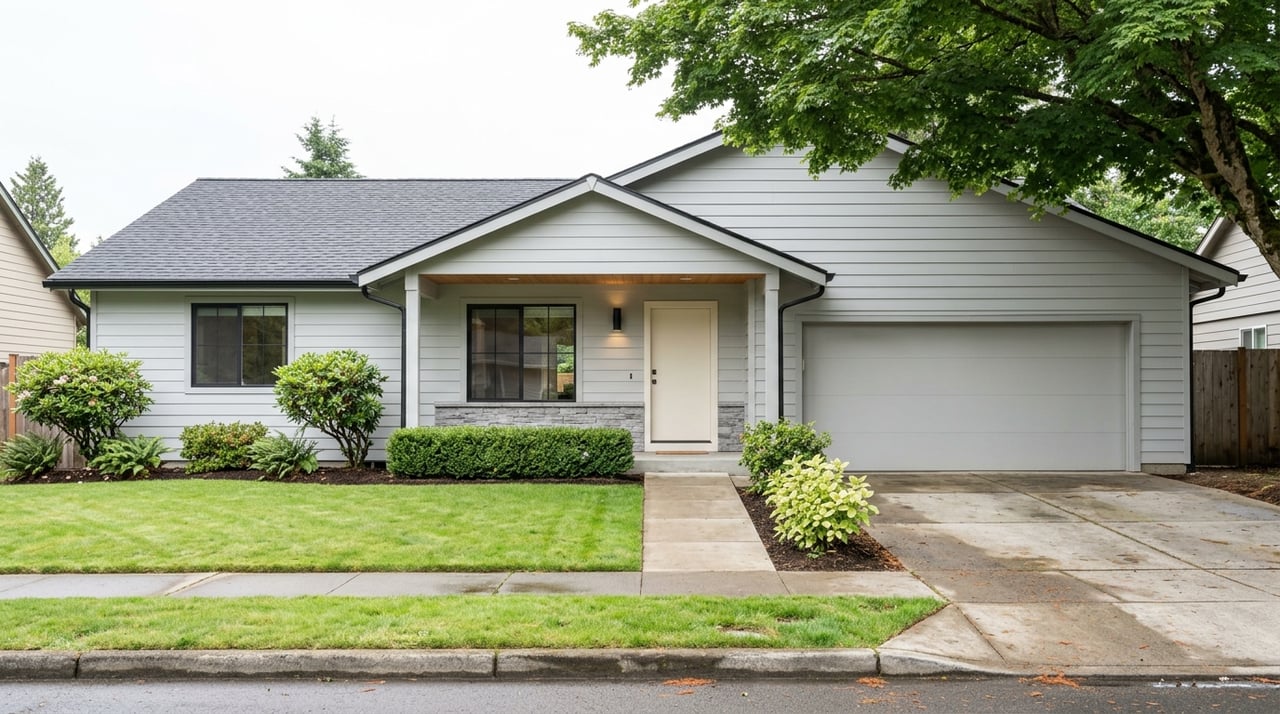
Homes outside the association around Sudden Valley and Whatcom County offer more autonomy, but you take on full responsibility for maintenance and services.
Costs and responsibilities
- You will not pay HOA dues, but you will cover all maintenance directly. That can include big capital items like roof replacement, driveway repairs, and any private road or septic costs.
- There are no shared amenities funded by dues. If you want similar recreation, you will arrange it privately.
More freedom, fewer rules
- Without CC&Rs, you have more flexibility for exterior changes, vehicle storage, and business use, subject to Whatcom County zoning and building codes.
- Some non‑HOA areas still have private road agreements or voluntary associations with shared costs. Terms vary widely, so read any recorded agreements.
Market and resale factors
- Non‑HOA homes appeal to buyers who value independence and no monthly dues.
- HOA amenities and uniform standards can attract other buyers. Marketability depends on buyer preferences and how well each area is maintained.
Quick comparison: HOA vs. non‑HOA
| Factor |
HOA in Sudden Valley |
Nearby Non‑HOA |
| Lifestyle & amenities |
Access to community amenities and events |
No shared amenities, private arrangements |
| Costs |
Predictable dues, potential special assessments |
No dues, variable out‑of‑pocket costs |
| Maintenance |
Common areas handled by association |
Owner handles all maintenance |
| Exterior changes |
Approval often required |
More freedom within county code |
| Resale |
Rules and amenities can support marketability |
Appeals to autonomy‑minded buyers |
| Risk |
Governance, assessments, or litigation risk |
Higher exposure to large repair expenses |
Due diligence checklist for buyers
Use this checklist when touring homes in and around Sudden Valley. Ask your agent to help you gather and evaluate the details.
From the association
- Current CC&Rs, bylaws, and rules.
- Current budget and recent financials.
- Reserve study and board minutes from the last 6 to 12 months.
- Dues schedule, frequency, history of increases, and any scheduled changes.
- List of special assessments, past and pending, and how they were approved.
- Current delinquency rate and collection policy.
- Association insurance declarations and coverage limits.
- Any pending litigation involving the association.
- Resale certificate fee and typical turnaround time.
- Updated amenity list and maintenance responsibilities.
- Architectural approval process, forms, and timelines.
From the seller or listing agent
- Any notices of violations and how they were resolved.
- Proof of payment of dues and assessments, plus any balances that must be settled at closing.
From the title company or lender
- Any recorded HOA liens or encumbrances.
- Lender requirements tied to HOA insurance or community status.
Property and inspection items
- Private versus association road responsibilities and costs.
- Septic and well records where applicable.
- Condition of community infrastructure such as trails, pools, or marina areas if relevant to your use.
Two real examples buyers face
- Surprise assessment: A buyer fell in love with a home but learned from the resale packet that a special assessment was already approved for infrastructure repairs. The buyer kept the deal by negotiating a seller credit at closing to offset the cost.
- Resale packet delay: Another transaction stalled because the resale certificate arrived late. The buyers had built in extra time in their contract, which kept the closing on track and avoided rush fees.
These situations are common reasons to ask for documents early, build in time, and plan for negotiations if new information comes up.
Timeline and negotiation tips
- Ask early: As soon as you are under contract, request the resale packet or written confirmation of dues, assessments, and any pending actions.
- Build time into your contract: Confirm typical turnaround for the resale certificate and add extra days to your contingency period.
- Read, then verify: Compare the resale packet with board minutes and financials to spot inconsistencies, litigation, or upcoming projects.
- Negotiate if needed: If a new assessment or project appears, ask for a price adjustment, a seller‑paid assessment at closing, or an escrow holdback.
- Check lending requirements: Confirm the association’s insurance and financial standing meet your lender’s standards.
Which option fits your goals
Ask yourself a few simple questions:
- Do you want built‑in amenities and shared maintenance, or do you prefer full control and no dues?
- Are you comfortable following architectural rules and community standards, or do you want maximum flexibility for projects and storage?
- Would predictable monthly dues help your budget, or would you rather accept variable costs as they arise?
- Are you planning to rent your property at any point? If yes, you will need to confirm rental rules upfront.
There is no one‑size‑fits‑all answer. The best choice is the one that aligns with your budget, your preferred lifestyle, and your comfort with rules versus autonomy.
How I can help
You should not have to navigate CC&Rs, reserves, and resale certificates alone. If you are comparing HOA and non‑HOA homes in Sudden Valley or nearby Whatcom County, I can help you gather the right documents, read what matters, and negotiate with confidence. Reach out to schedule a local consult with Christine Cicchitti.
FAQs
What does the Sudden Valley HOA typically cover?
- Recurring dues usually fund common area maintenance, amenity operations, administrative costs, insurance for shared spaces, and contributions to reserves.
Will an HOA stop me from doing short‑term rentals?
- It depends on the current CC&Rs and rules. Some associations limit or cap rentals, so review the documents before you make plans.
Do I still need homeowners insurance if the HOA has a master policy?
- Yes. The association insures common areas and certain shared elements, but you need your own policy for your structure and personal property.
How fast can I get the resale packet and what does it cost?
- Timing and fees vary. Ask the association or listing agent as early as possible, since delays can impact closing dates.
What are the risks of HOA living in Sudden Valley?
- Watch for low reserves, frequent special assessments, litigation, high delinquency rates, and rules that conflict with how you plan to use the property.
What should I check for non‑HOA homes nearby?
- Confirm any private road, well, or septic responsibilities, review recorded agreements, and budget for variable maintenance and capital repairs.